Further reading

You can learn all of this without buying anything. Every book on this page is recommended reading; read each one critically.

Highly recommended reading: Who Moved My Cheese? (not about Bitcoin, but about adapting to new circumstances), The Price of Tomorrow, The Bitcoin Standard and The Big Print. All the books included below are recommended readings too.

Don’t focus on watching price analysis and chart “witchcraft” of triangles and trend lines. Focus on understanding first. Then decide for yourself about your Bitcoin exposure.

Free starting points: the whitepaper and developer guide. For each reading, write the author’s claim, its evidence and one limitation.

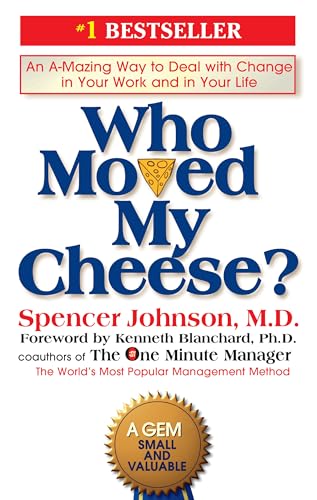
Cover of Who Moved My Cheese?

Who Moved My Cheese?

Spencer Johnson

A parable about adapting to change; not evidence for a monetary or investment thesis.

  • Identify the characters’ different responses to change.
  • Discuss when adaptation helps and when caution is warranted.
  • Keep its analogy separate from evidence about Bitcoin.
Book link opens the seller’s page.
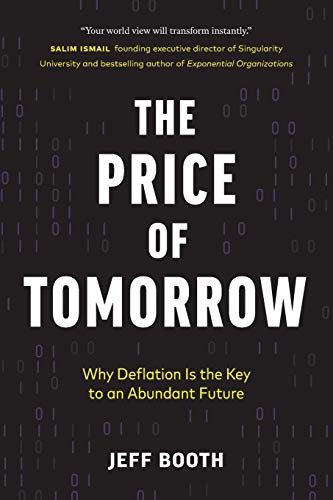
Cover of The Price of Tomorrow

The Price of Tomorrow

Jeff Booth

Jeff Booth argues that technological deflation conflicts with debt-based monetary systems.

  • Examine the author’s link between technology and prices.
  • Distinguish productivity effects from monetary-policy choices.
  • Test the thesis against sectors where prices do not fall.
Book link opens the seller’s page.
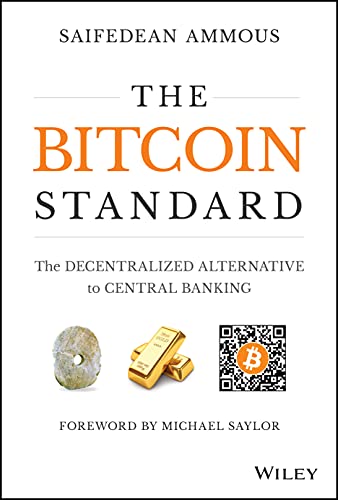
Cover of The Bitcoin Standard

The Bitcoin Standard

Saifedean Ammous

Saifedean Ammous makes a case for scarce money and Bitcoin using monetary history.

  • Compare the properties the author uses to evaluate money.
  • Treat claims about time preference and society as arguments to test.
  • Ask which conclusions follow from scarcity and which need more evidence.
Book link opens the seller’s page.
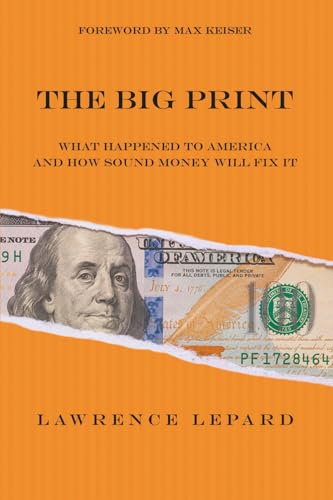
Cover of The Big Print

The Big Print

Lawrence Lepard

Lawrence Lepard presents an argument for sound money and against monetary expansion.

  • Identify the proposed causes of monetary instability.
  • Separate historical observations from future predictions.
  • Compare the argument with the central-bank sources in these lessons.
Book link opens the seller’s page.
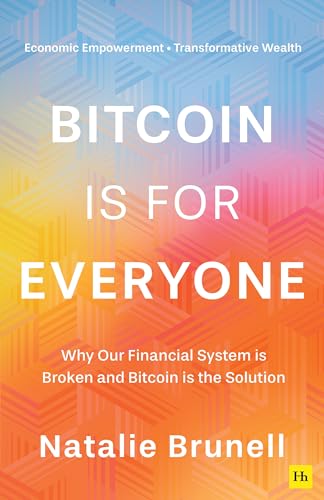
Cover of Bitcoin Is for Everyone

Bitcoin Is for Everyone

Natalie Brunell

Natalie Brunell introduces Bitcoin through personal and economic stories.

  • Use the stories as an accessible entry into monetary questions.
  • Separate illustrative experiences from population-wide evidence.
  • Revisit the lessons’ custody and volatility limits alongside the argument.
Book link opens the seller’s page.
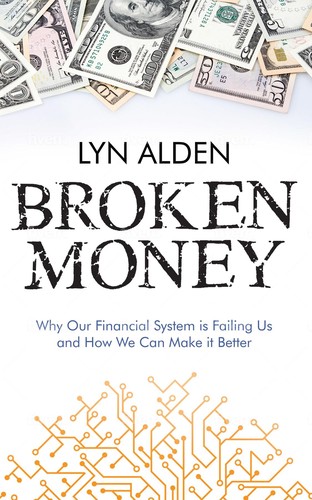
Cover of Broken Money

Broken Money

Lyn Alden

Lyn Alden examines monetary history through communication and settlement technology.

  • Trace the distinction between payment messages and settlement.
  • Compare physical money with credit and custodial claims.
  • Test the author’s proposed remedies against their tradeoffs.
Book link opens the seller’s page.
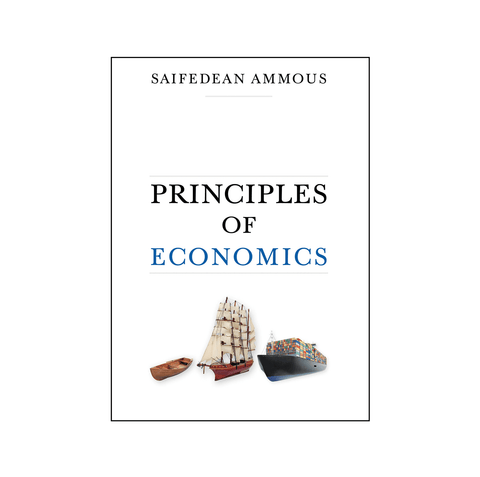
Cover of Principles of Economics

Principles of Economics

Saifedean Ammous

A textbook introducing economics through the Austrian school, from value and scarcity to capital, trade, money and banking.

  • Build from value, time and scarcity to exchange and capital.
  • Study the author’s treatment of money, credit and the business cycle.
  • Identify the Austrian framework’s assumptions and compare them with other economic perspectives.
Book link opens the seller’s page.
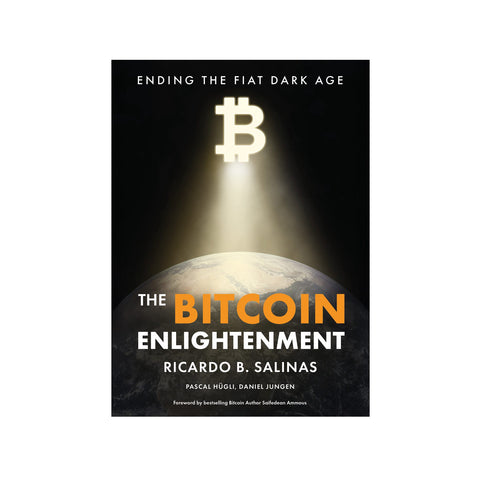
Cover of The Bitcoin Enlightenment

The Bitcoin Enlightenment

Ricardo B. Salinas, Pascal Hügli & Daniel Jungen

Ricardo Salinas and his co-authors examine monetary history and argue for Bitcoin through scarcity and financial sovereignty.

  • Trace the authors’ critique of fiat money and its effects on saving.
  • Separate personal experience and historical examples from broader causal claims.
  • Evaluate the case for Bitcoin alongside adoption, volatility and custody risks.
Book link opens the seller’s page.
Cover of Gradually, Then Suddenly

Gradually, Then Suddenly

Parker A. Lewis

A nontechnical framework for understanding Bitcoin as money, built through a sequence of economic arguments.

  • Follow the reasoning behind Bitcoin’s monetary purpose and fixed supply.
  • Identify the assumptions connecting scarcity, adoption and monetary value.
  • Use the framework to form your own conclusions rather than assume an inevitable outcome.
Book link opens the seller’s page.
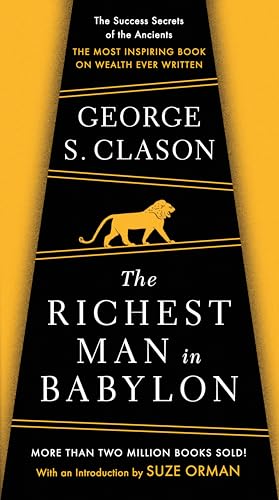
Cover of The Richest Man in Babylon

The Richest Man in Babylon

George S. Clason

George Clason uses parables to discuss saving, debt and personal finance.

  • Identify the proposed habits for spending and saving.
  • Consider where household circumstances constrain the advice.
  • Treat parables as teaching devices, not guaranteed investment methods.
Book link opens the seller’s page.
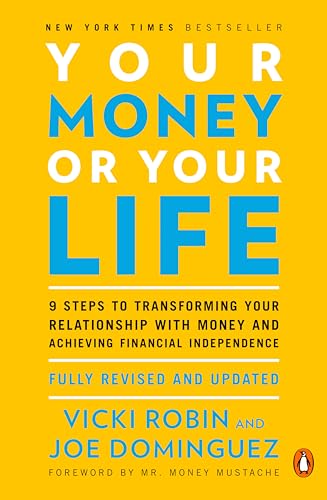
Cover of Your Money or Your Life

Your Money or Your Life

Vicki Robin & Joe Dominguez

Vicki Robin and Joe Dominguez connect spending with time, work and personal priorities.

  • Compare a purchase with the working time needed to fund it.
  • Review spending categories against your own priorities.
  • Adapt the exercises to your circumstances without assuming future returns.
Book link opens the seller’s page.
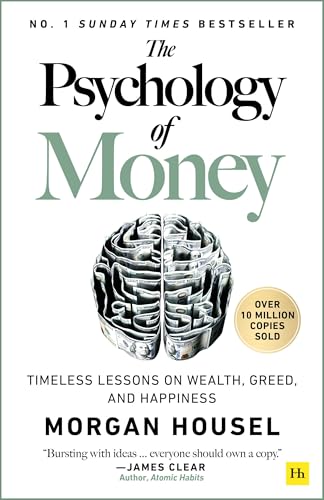
Cover of The Psychology of Money

The Psychology of Money

Morgan Housel

Morgan Housel explores the role of behavior, uncertainty and personal experience in money decisions.

  • Identify how incentives and experience shape decisions.
  • Distinguish a good decision process from a lucky outcome.
  • Apply the discussion of uncertainty to claims about future returns.
Book link opens the seller’s page.